Rooms That Shape-Shift With Your Day

Today we explore designing multi-use rooms that transform between living and office modes, turning one space into a confident partner for focus, collaboration, relaxation, and family time. Expect pragmatic layouts, human-centered rituals, lighting strategies, and storage tricks that help your environment keep pace with changing needs, without clutter, stress, or awkward compromises. Share your questions along the way and tell us how your space currently adapts.

Intuitive Zoning Without Building Walls
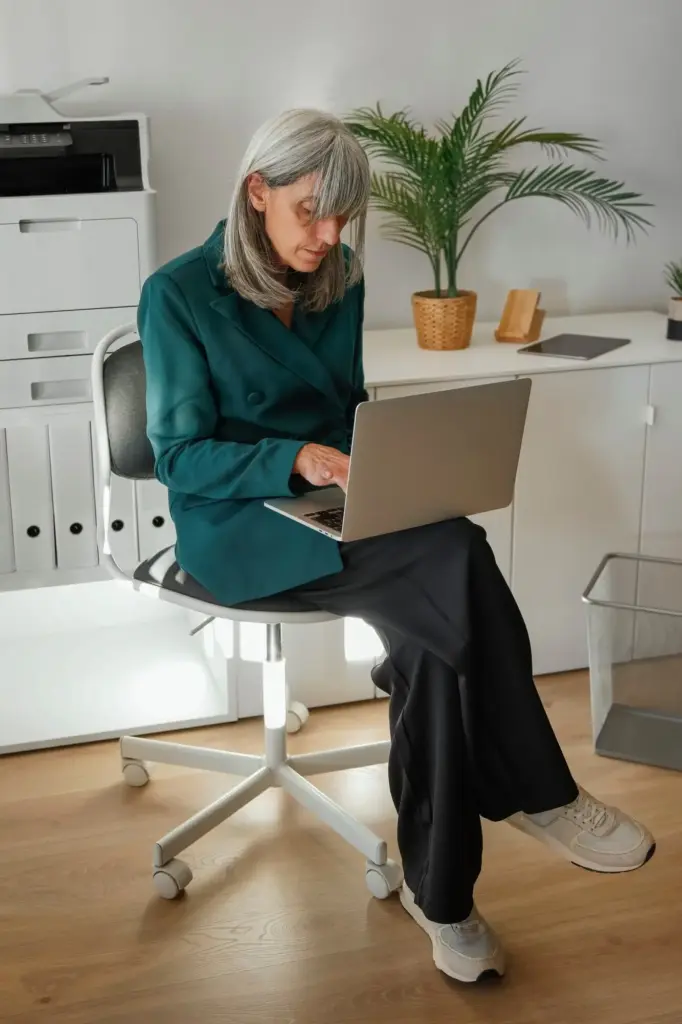
Thoughtful zoning creates effortless transitions from a productive workstation to a welcoming lounge without constructing permanent barriers. Use sightlines to separate activities, anchor zones with rugs and art, and guide movement with clear pathways. Temporary dividers, like open shelving or folding screens, deliver privacy on demand while preserving daylight, conversation, and flexibility. The result is a room that communicates intent instantly, yet remains open to spontaneous plans.

The Disappearing Desk Experiment

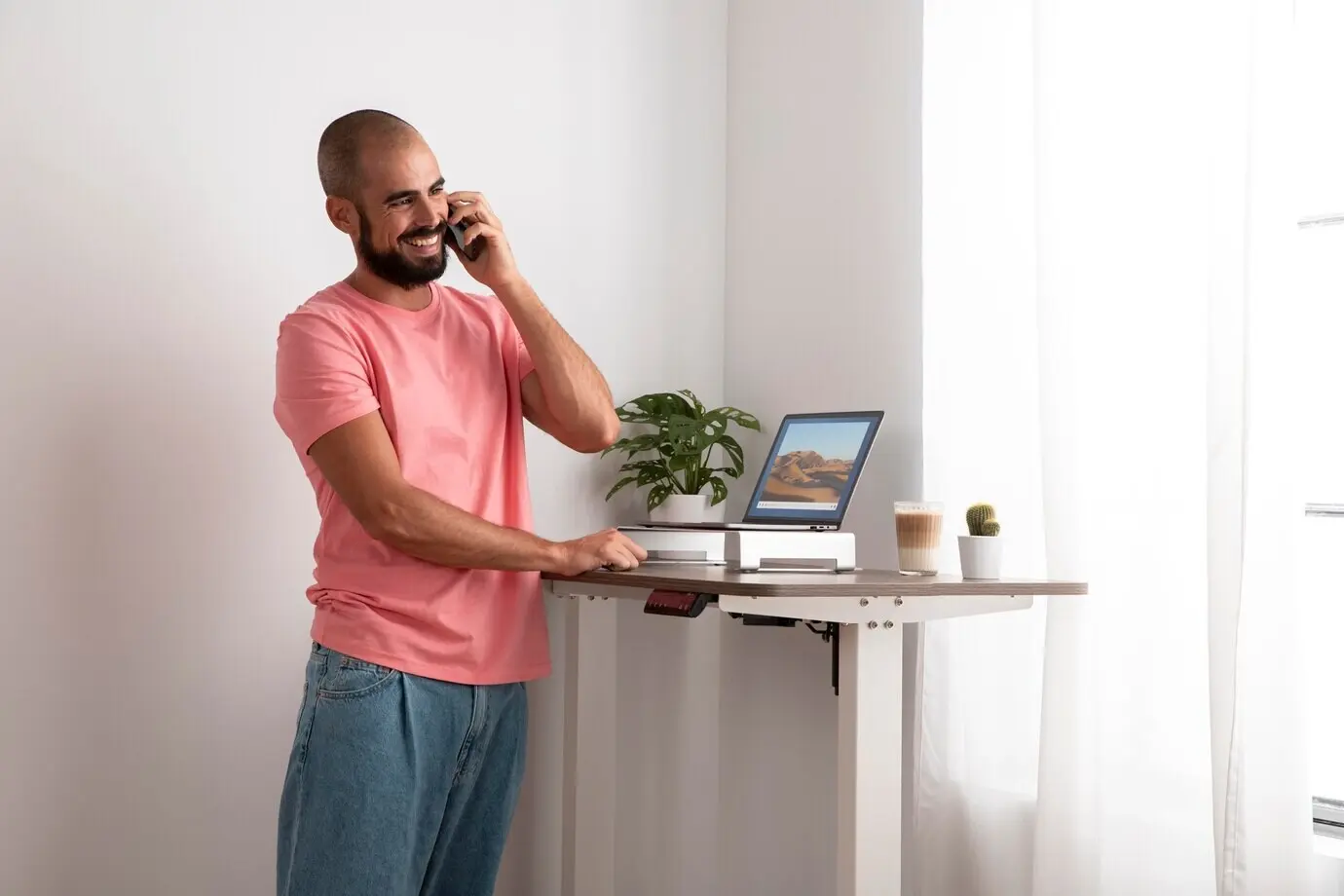
Test a desk that truly vanishes after hours: a wall-mounted drop leaf or a cabinet with pocket doors concealing a keyboard tray and monitor arm. When closed, the room instantly reads as living space, not a queue of tasks. Add a magnetic checklist inside the door for shutdown rituals. This compact magic dramatically reduces visual noise, lowering stress while keeping your best ergonomics ready to reappear at sunrise.

Sofa by Day, Focus Nook by Night

A firm, supportive sofa paired with a clip-on task lamp and a laptop stand forms a credible secondary workstation for reading-intensive days. By evening, those accessories tuck into an ottoman, restoring a fully social lounge. Swap one pillow color during work hours to cue a different mode. This choreography helps households share resources without anyone feeling displaced, making comfort and productivity feel like partners rather than rivals.

Rolling Pieces and the Five-Minute Reset

Put casters on at least one major surface—console, printer stand, or side table—and time your reset. Aim for five minutes from final email to welcoming atmosphere. A shallow tray corrals cords, pens, and chargers for a single sweep. Rolling pieces slide behind a bookcase or window drape, freeing visual breathing room. Consistent, tiny motions protect weekends, drop cortisol, and keep the room’s identity flexible, not fragmented.

Light That Guides Mood and Focus
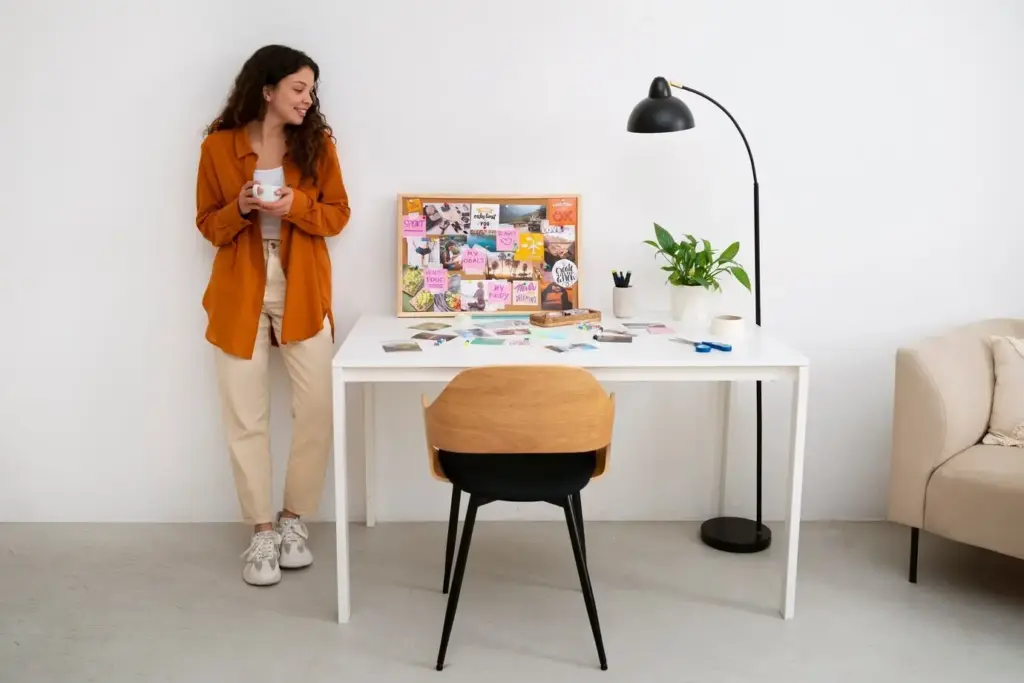
Lighting is the quiet conductor of behavior. Layer cooler, brighter task light for clarity, then warm, dim ambient light for calm nights. Position fixtures to avoid glare on screens and reflections in calls. If smart bulbs are available, preset scenes to switch in seconds; if not, use plug-in dimmers and labeled switches. The goal is reliable cues that say “time to focus,” then gently whisper “let’s unwind now.”

Acoustics, Privacy, and Boundaries You Can’t See
Sound shapes focus and comfort as strongly as furniture does. Use thick rugs, layered curtains, fabric panels, bookshelves, and upholstered chairs to absorb echo. A small white-noise generator, box fan, or gentle playlist masks street sounds during calls. Place the microphone away from reflective surfaces for clearer audio. Respectful soundscapes help partners and family coexist, protect concentration, and allow the room to support both deep work and easy conversation.

Soft Surfaces that Silence, Not Smother

Begin with the floor: a dense rug or modular carpet tiles cut reverb dramatically. Add a fabric pinboard behind the monitor to catch flutter echoes. Curtains on a ceiling track can glide across a wall during calls, then park discreetly. These absorbers reduce fatigue and boost comprehension, especially on video. The point isn’t silence, but control—tuning the space so voices feel close, warm, and pleasantly intelligible throughout the day.

Video Calls Without Visual Clutter

Compose a background that reads calm at a glance. Neutral art, a plant with soft leaves, and a tidy shelf communicate reliability without distraction. Keep personal documents out of frame and route cables behind furniture. For privacy, angle the camera away from doorways and reflective glass. When meetings end, a single fabric panel slides aside, bringing the room back to cozy hospitality with zero lingering office vibes.

Sound Masks and Friendly Frequencies

A subtle pink-noise track or a tabletop fountain can mask urban rumble without feeling clinical. If you share walls, place bookcases against them and fill with varied sizes to scatter sound. Use rubber feet under equipment to quell vibration. During quiet evenings, switch to lower-volume, warmer-toned playlists. These micro-adjustments help everyone collaborate peacefully, making one room feel abundant enough for both deadlines and unhurried conversations across the same day.

Storage That Vanishes the Workday

Clutter is the enemy of transformation. Build a swift closing routine with designated homes for laptop, peripherals, papers, and pens. Closed storage—drawers, baskets, lidded boxes—removes visual to-do lists from sight. Cable docks inside cabinets power devices while they rest. A single visible object, like a candle or vase, becomes the evening anchor. When essentials disappear predictably, the room’s character rebounds, welcoming friends, family, and restorative downtime immediately.

Rituals, Habits, and the Human Side of Switching

Spaces support behavior when cues are consistent and kind. Build simple rituals: a two-minute shutdown, a scent that marks evening, a playful chime when it’s time for a stretch. Share signals with housemates to avoid accidental interruptions. Celebrate small wins, not just perfect days. Tell us your reset routine in the comments, and subscribe for weekly room-friendly practices that make changing gears feel graceful, not exhausting.
Mimikuzekuzapakumu
Privacy Overview

This website uses cookies so that we can provide you with the best user experience possible. Cookie information is stored in your browser and performs functions such as recognising you when you return to our website and helping our team to understand which sections of the website you find most interesting and useful.