
Now You See It, Now You Don’t: The Flexible Home Workspace

Welcome! Today we’re diving into foldaway home workspaces, exploring how mobile surfaces, hidden desks, and clever storage let your office appear at nine and vanish by dinner. Expect practical layouts, hardware tips, ergonomic guidance, and stories from tiny apartments to bustling family rooms. By the end, you’ll plan a setup that protects focus, respects shared space, and invites creativity without leaving a trace. Share questions and ideas to inspire others.

Space-Savvy Planning for Everyday Life

Measure Twice, Fold Once

Grab a tape, laser, and painter’s tape to mark real dimensions, including chair push-back, laptop lid height, and knuckle clearance when folding. Find studs, note baseboards and outlets, and remember handle projections. Measure again after a mock setup to catch surprises before drilling, saving money and stress.

Zoning Without Walls

Use subtle cues to claim focus without crowding anyone: a washable runner defines floor territory, a color band along the wall frames your station, and a small shelf edge signals boundaries. Add a scent or playlist reserved for work, creating a reliable mental doorway each time.

Quiet Corners and Lighting Logic

Chase glare before it chases you. Test screen positions morning and afternoon, adjusting for window angles and reflections. Hang dense curtains or mount acoustic panels inside the foldaway unit. Install dimmable task lighting under shelves, aiming beams away from eyes and cameras, keeping faces clear on video.

Mechanisms That Glide, Lift, and Disappear
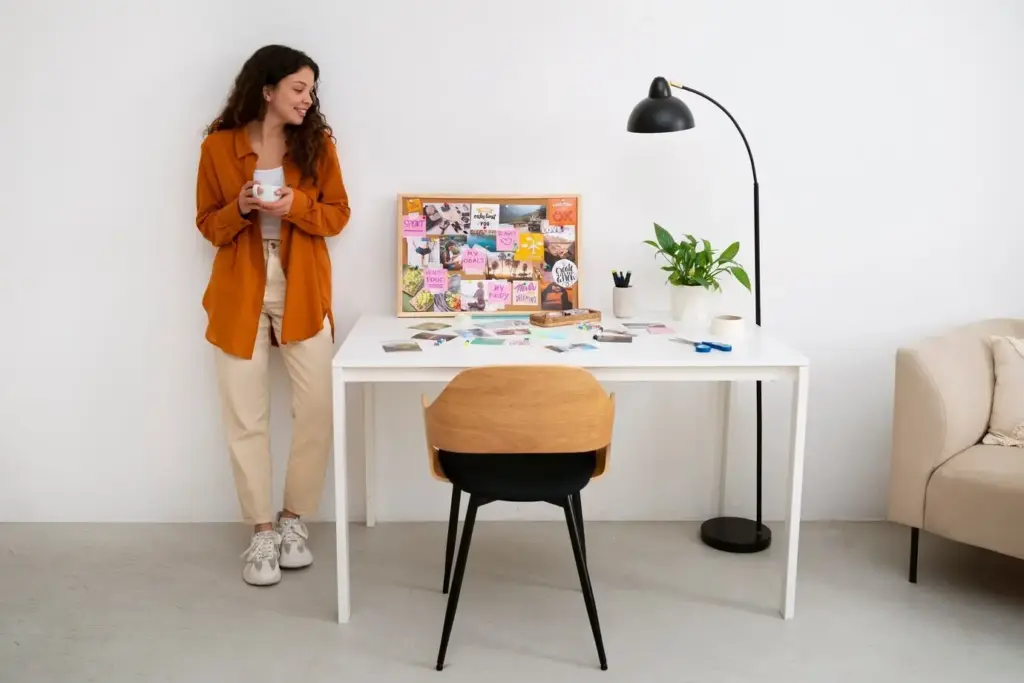
Mechanisms decide whether your setup hums or fights you. Compare drop-front desks, pocket doors, torsion hinges, gas pistons, and counterbalanced lifts. Favor soft-close actions, anti-slam dampers, and child-safe locks. Check cycle ratings, corrosion resistance, and screw pull-out strength in your wall material. Test prototypes slowly, documenting friction points to refine.

Materials, Finishes, and Acoustic Tricks

Materials shape longevity, feel, and sound. Birch plywood resists sagging; high-grade MDF paints smoothly; laminates shrug off spills and fingerprints. Solid wood charms but moves with humidity. Seal edges meticulously, mind VOCs, and ventilate cures. Add cork, felt, or wool blends to absorb clatter inside doors, keeping keyboards and parts quiet.

Healthy Neutral Posture, Even in Compact Mode

Even compact designs support healthy alignment. Adjust screen height with a lightweight riser, stackable books, or a folding arm rated for your monitor. Keep elbows near ninety degrees, feet planted, and shoulders relaxed. If seat height shifts daily, mark rails discreetly to land on the same sweet spot.

Lighting That Saves Eyes and Space

Blend daylight with targeted task beams. Mount a low-glare bar beneath a shelf, aim it across the desk, and add warm bias light behind screens for depth. Choose high CRI bulbs to render skin tones naturally on video. Motion sensors save energy while ensuring instant illumination during quick sessions.

Break Routines Anchored by Design

Design shapes behavior. Place a compact timer inside the cabinet, clip a stretch band to a hook, and store a full water bottle where you’ll see it when folding down. Practice ninety-minute cycles with short walks. When the desk folds up, reflect briefly and celebrate progress before switching roles.

Tech Tidy: Power, Data, and Cable Choreography

Power and data can either vanish elegantly or snag everything. Plan outlet placement, right‑angle plugs, and grommets before cutting panels. Use cable sleeves, magnetic channels, and velcro to guide lines that flex during folding. Mount the dock high for airflow. Label everything, and add a small surge protector with battery backup.

Stories from Real Rooms

Real homes prove the ideas. A couple in a 28‑square‑meter studio built a wall desk that folds above the sofa; a teacher converted a pantry; a renter used tension poles. Each solution protected dinner, sleep, and sanity. Share your story, ask questions, and subscribe for weekly designs, sketches, and checklists.

From Dining Nook to Design Studio

We traced a dining nook’s sunlight and traffic, then added a walnut drop‑front with felt-lined cubbies. A bracketed light bar eliminated glare. After meals, two magnetic latches hide everything. The owner reports shorter context switches, quieter video calls, and Sunday dinners that no longer compete with spreadsheets.

A Bedroom Wall that Works Weekdays

A narrow bedroom gained a weekday workstation using vertical rails and a folding top that clears the duvet by centimeters. A cushioned stop prevents wall dents. Cables ride in a fabric sleeve. On Friday nights, art prints slide into place, transforming the wall into something restful and personal.

Renters’ Reversible Magic

To avoid holes, one renter assembled an aluminum frame clamped between floor and ceiling, carrying a compact desk, pegboard, and light. All components break down during moves. Landlord friendly, the setup still handles dual monitors. Readers asked for plans; we shared cut lists, sources, and a renter’s toolkit checklist.

Mimikuzekuzapakumu
Privacy Overview

This website uses cookies so that we can provide you with the best user experience possible. Cookie information is stored in your browser and performs functions such as recognising you when you return to our website and helping our team to understand which sections of the website you find most interesting and useful.