
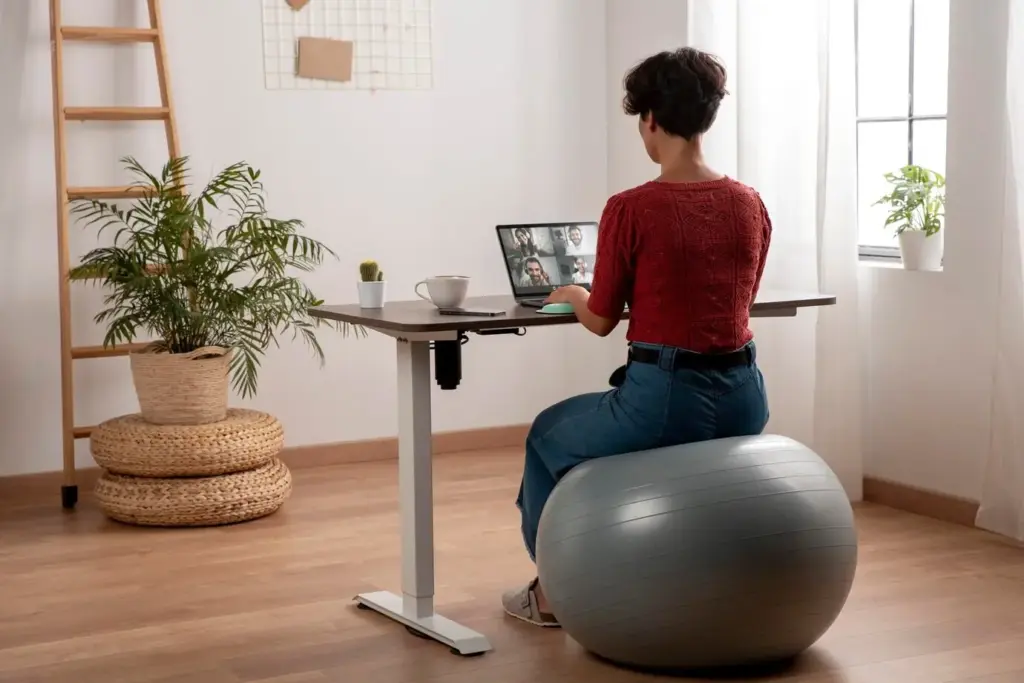

Foldaway Focus: Smart Wall Desks for Compact Living

Welcome! Today we dive into Murphy-style desks and wall-mounted workstations for small apartments, spotlighting practical planning, ergonomic comfort, and design strategies that unlock calm productivity in tight spaces. Expect candid tips, renter-friendly ideas, budget notes, and real stories that balance beauty with durability, so your workspace folds away neatly, looks great, and truly supports your daily routine without swallowing precious square footage.

Make Every Inch Work Harder

Small apartments demand furniture that multitasks without visual noise. The most effective folding desks merge slim profiles, sturdy mounting, and intuitive motion so setup becomes effortless and teardown takes seconds. We’ll examine depth, leg clearance, wall type, and everyday reach to help you choose a solution that feels natural, not forced, delivering a workspace that disappears when your evening begins and reappears with a satisfying click every morning.

Looks That Lift the Room

Material and Finish Pairings

Pair pale oak with matte white for a bright, airy presence, or go walnut and satin black for a sophisticated, library-like mood. Durable laminates resist coffee rings and bag scuffs, while real wood rewards touch and ages gracefully. If you rent, consider peel-and-stick back panels that mimic stone or linen for character without commitment. Keep hardware consistent with existing handles or fixtures, and avoid overly reflective surfaces that amplify clutter or magnify fingerprints.

Color and Light Tricks

Use color to make small apartments feel expansive. A slightly lighter desk tone than the wall blends edges and reduces visual weight. LED strips beneath the cabinet add a soft glow that doubles as evening ambiance when the desk is closed. Bounce light off a satin wall instead of glossy paint to reduce glare. Thoughtful contrast around the desktop rim improves visibility for late-night note taking without fatiguing your eyes or dominating the room.

Cable Management as Design

Treat cables like part of the aesthetic. Routed channels, Velcro ties, and a slim raceway keep lines straight and shadows clean. A flush-mounted grommet lets chargers drop invisibly into a narrow tray, while adhesive clips ensure closing the desk never pinches wires. Label power bricks to avoid chaos. If you use a monitor arm, select finishes that echo hardware elsewhere, turning necessary tech into a tidy visual rhythm rather than a messy distraction.

Secure Mounting, Quiet Motion

Great wall-mounted workstations feel unshakeable during work and nearly silent when folding. Solid anchoring prevents rattle, and well-matched hinges or pistons guide a smooth arc. Plan the install like a mini renovation: verify studs or masonry, pre-drill clean holes, and torque fasteners gradually. Test the motion repeatedly with weight on the surface. The result should be confidence you can feel—no wobble, no scraping, and zero drama during your first Monday video call.

Studs, Anchors, and Masonry

Lag bolts into studs provide a dependable baseline for wood-framed walls, while toggle anchors are a last resort best avoided for load-bearing points. In brick or concrete, use appropriate sleeves, depth, and bit sizes, vacuuming dust before insertion. Even spacing across hardware pairs evens stress, preventing twist. Bring a second person to hold the cabinet level during fastening. A patient, methodical install pays dividends every day you lean on the surface with confidence.

Hinges, Pistons, and Soft-Close

Quality hardware is the heart of the experience. Soft-close hinges or gas pistons tame momentum, protect fingers, and prevent late-night thuds. Balance matters: an overly strong strut can fling upward, while a weak one sags dangerously. Choose mechanisms with published cycle ratings and accessible adjustment points. If your desk integrates folding legs, ensure they lock positively and release intuitively. Test with books and a laptop bag to mimic real-world loads before everyday use.
Child and Pet Safety

Curiosity meets moving parts in small homes. Add a discreet latch higher than little hands can reach, and ensure no gaps invite paws or fingers during closing. Train a consistent routine: clear the surface, check the floor, then fold. Anti-tip brackets and felt bumpers reduce accidents and noise. If you host guests, share quick instructions. Safety becomes effortless when habits, hardware, and thoughtful placement combine, protecting kids, pets, and your favorite mug equally well.

Ergonomics That Respect Your Body

Comfort isn’t a luxury; it is the foundation of productive work in tight quarters. Dial in desk height, chair ergonomics, and lighting to reduce strain. Standard seated desk height often lands near twenty-eight to thirty inches, but adjust for your body, chair, and tasks. Add a footrest if heels dangle; elevate the screen to eye level to spare your neck. When everything aligns, minutes feel lighter and long sessions stop stealing your energy.

Workflow and Organization You Can Reset Daily

A fold-down workspace shines when it resets fast. Build a simple ritual: clear cables, park the notebook, drop pens into a shallow tray, and close. Hidden cubbies, magnetic strips, and narrow drawers keep tools ready without clutter. Plan cable slack thoughtfully so nothing snags. When your workday ends, the room transitions back—no piles accusing you from the corner. Small apartments breathe easier when every item has a home and returns there reliably.

Budgets, Stories, and Smart Upgrades

A Renter’s Weekend Transformation

Maya, in a five-hundred-square-foot studio, installed a compact wall desk using existing studs and prefinished panels. She added peel-and-stick oak veneer, a dimmable LED strip, and a slim stool that hangs behind the door. Sunday night, her living room felt like itself again. Monday morning, the desk opened with a near-silent glide. She spent under three hundred dollars, learned to drill clean pilot holes, and finally stopped working from the wobbly coffee table.

Cost Tiers and What to Prioritize

On a tight budget, prioritize safe mounting hardware and a stable surface before fancy finishes. Mid-range budgets should upgrade to soft-close mechanisms and better lighting. At the high end, invest in integrated power, durable veneers, and a custom face panel that doubles as art. Across all tiers, spend a little extra on cable management. Every dollar spent preventing wobble and clutter returns daily in peace of mind and fewer late-night repair searches.

Mistakes We Made So You Don’t

We once skipped a second stud and regretted the wobble. Another time, we underestimated cable slack and pinched a charger. Glossy paint magnified fingerprints, and an overpowered piston made closing awkward. Learn from these missteps: measure twice, anchor properly, choose forgiving finishes, and test with real weight. Keep a tiny parts bin for spare screws and felt pads. These small precautions transform frustration into fluency, especially when space and patience are both limited.
Mimikuzekuzapakumu
Privacy Overview

This website uses cookies so that we can provide you with the best user experience possible. Cookie information is stored in your browser and performs functions such as recognising you when you return to our website and helping our team to understand which sections of the website you find most interesting and useful.